23 Years After 9/11, What Does the Terror Threat Look Like?
Twenty-three years after the devastating al-Qaeda terrorist attacks of September 11, 2001, the threat facing the United States is more diverse than ever. Today, al-Qaeda is a different organization than it was more than two decades ago, with different operational and organizational capabilities. But there are some concerning similarities. Al-Qaeda is once again operating training camps in Afghanistan, as highlighted by the most recent United Nations Analytical Support and Sanctions Monitoring Team report, which also notes that al-Qaeda “still uses Afghanistan as a permissive haven under the Taliban.”
~ READ MORE HERE (Soufan Center) ~
The Partially Convergent Trump and Harris Defense Policies
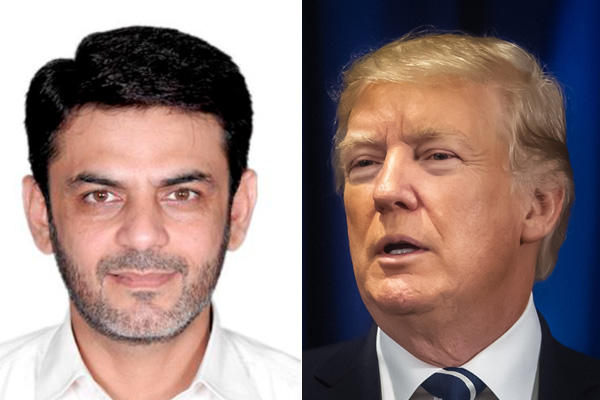
There is a dichotomy, almost a contradiction, in comparing Donald Trump to Kamala Harris on matters of defense and the military. At one level, national security policy appears to be an area where there is more accord, and less debate, between the candidates than is the case in many other policy realms. However, national security policy may also be the place where there is the greatest potential for divergence based on the characters, personalities, and decision-making styles of the two candidates, should the nation face a crisis and have to consider the use of military force.
~ READ MORE HERE (Brookings) ~
What Is the Jones Act?
The Jones Act recognizes the vital necessity for a robust reserve fleet to be at the disposal of the U.S. Navy. The American Maritime Partnership defends the act, reporting the size of the fleet at around 40,000 American-built vessels, Jones Act–related job income at $41 billion, and a roughly $154 billion contribution to gross domestic product.
However, despite a goal of securing the reserve fleet, over time the Jones Act has had the unintended consequences of reducing the size of the militarily useful U.S.-flagged fleet and the number of U.S.-based shipbuilding businesses. Most of the Jones Act–compliant vessels are barges and tugs vital for inland trade; the act’s limitations are evident in the mere 92 eligible ships displacing more than 1,000 tons, highlighting a shortfall in large support vessels deemed militarily useful.
~ READ MORE HERE (USNI) ~ |