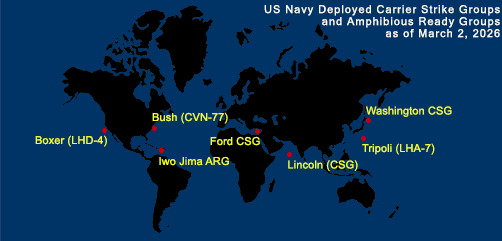
The ongoing US-Israel military campaign against Iran, launched with preemptive strikes on February 28 and codenamed "Epic Fury”, has sharply elevated threats to the U.S. homeland.
Iranian Supreme Leader Ayatollah Khamenei’s death, and in particular so early in the conflict, prompted immediate alerts to law enforcement from the Department of Homeland Security and FBI.
Iranian Networks in the Homeland
Iran’s Islamic Revolutionary Guard Corps (IRGC) and Hezbollah maintain established networks across the Western Hemisphere, including operatives and sympathizers in U.S. communities and Mexico. These assets have long enabled surveillance, fundraising, and contingency planning for asymmetric attacks. U.S. law enforcement has disrupted multiple IRGC-linked assassination and bombing plots since 2020, and current intelligence assessments now rate “targeted attacks in the Homeland” as probable, though large-scale attacks remain unlikely. As a side note, this assessment does not factor in the activities of other jihadist groups such as the Islamic State or Al Qaeda.
Individuals believed to be parts of sleeper cells and proxies like Hezbollah and other Iranian-backed Shia networks are under intensified FBI monitoring. Counter-terrorism veterans have warned that Hezbollah or Hamas-linked cells could activate if Tehran issues a fatwa or direct call to arms, which is precisely what happened this week.
Monitoring, Fatwas, and Lone-Actor Risks
In a Critical Incident Note published by DHS, the government warns that Iranian clerics have issued at least two fatwas calling on Muslims worldwide to avenge the killing of Ayatollah Ali Khamenei during the US-Israeli attack on Iran. The first fatwa was issued on Sunday by Grand Ayatollah Naser Shirazi and said that avenging Khamenei's death "is the religious duty of all Muslims in the world." The second fatwa was issued by Ayatollah Nouri Hamedani, saying that "avenging the blood of the martyred leader of the revolution is obligatory for all Muslims."
These and other decrees have triggered international security alerts. U.S. agencies and European officials have warned of heightened risks of attacks by Iranian-linked groups or sleeper cells inspired by the fatwas.
Foiled IRGC Assassination Plot
So as to highlight the reality of the threat, on Friday, March 6th, a federal jury convicted Asif Merchant, also known as “Asif Raza Merchant,” of murder for hire and attempting to "commit an act of terrorism transcending national boundaries." According to the Department of Justice, Merchant was a trained operative of the IRGC. Merchant admitted at trial that the IRGC sent him to the United States to arrange for political assassinations and steal documents. And the target of his assassination aspirations? President Trump. Fortunately, law enforcement foiled the plot before an attack could be carried out.
In addition, pro-regime protests have already erupted in U.S. cities, raising risks of violent clashes with counter-protesters, as well as lone-actor violence.
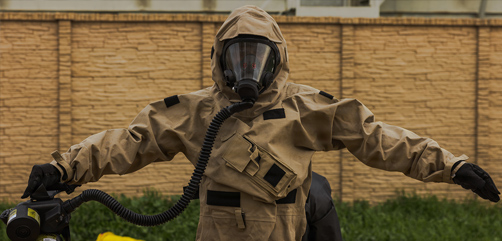
Cyber threats have also surged. Pro-Iranian hacktivists and state-directed actors are already hitting U.S. networks. DHS anticipates possible disruptive attacks on critical infrastructure such as energy, water, and transportation, mirroring past Iranian campaigns against banks and industrial systems.
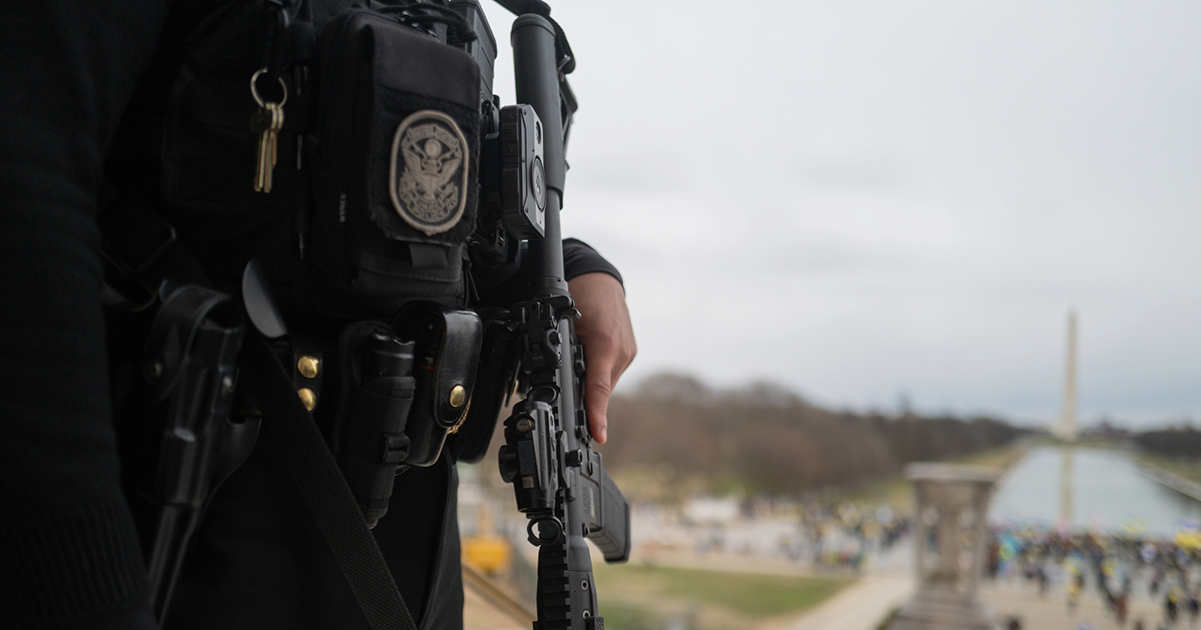
Domestic law enforcement is facing a resource strain. On Monday, AlertsUSA subscribers were notified that security was increasing at U.S. government facilities and critical infrastructure nationwide due to risk of asymmetric retaliation. Part of the challenge is that federal law enforcement personnel have been partially redirected to other priorities in recent years, including assisting with securing the southern border and the nation-wide deportation effort, which leaves gaps at a moment when vigilance across airports, ports, borders, and soft targets is essential.
In sum, the homeland security environment has shifted from latent concern to active, elevated threat. Asymmetric retaliation via cyber, proxy plots, or inspired attacks, represents the most immediate risk. Federal, state, and local agencies, alongside private-sector partners are urging heightened vigilance, information sharing, and infrastructure hardening.
|