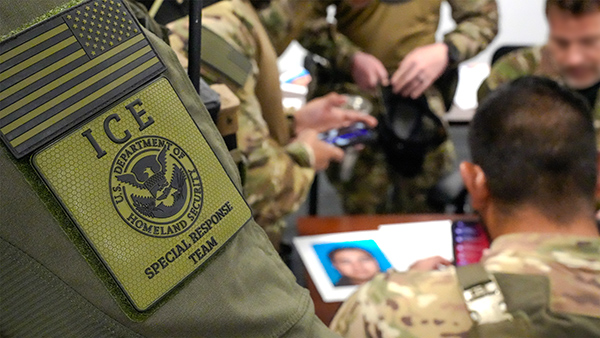
Since President Trump's inauguration on January 20, 2025, the federal government has ramped up immigration enforcement, including expanded raids, broader expedited removals, greater interagency cooperation, and massive funding increases to boost agent numbers.
The heightened pace matters. More agents mean more stops, warrant services, and detainee transports—and more chances for routine resistance to turn into life-or-death situations.
Alarming Spike in Vehicle Attacks
One of the most disturbing trends is drivers using cars and trucks to ram, drag, or threaten federal officers. According to DHS, there have been 99 vehicle attacks on federal officers in the past year—more than double the 47 in the same period of 2024.
Vehicular assaults on ICE agents alone skyrocketed from just 2 in 2024 to 66 over the last year—a staggering 3,200% increase. Overall assaults on ICE agents jumped 1,300% to 275 cases. Death threats against ICE and CBP officers have exploded by an astonishing 8,000%.
Three Key Factors Fueling the Violence
From a conservative law-and-order perspective, three interconnected factors are driving this dangerous escalation.
1. More Agents, More Encounters
The immigration crackdown is bigger and more intense than ever. DHS has dramatically expanded manpower, shortened training timelines, and surged officers into the field.
A Government Executive report notes ICE grew from about 10,000 officers/agents to over 22,000 in roughly a year (a 120% increase), thanks to new funding and faster hiring. Thousands more are on the way.
This rapid buildup is crucial for meeting deportation goals—but it also means more field contacts, more vehicle stops, and more opportunities for offenders (whether ideologically driven activists or criminals evading custody) to weaponize a car or truck.
2. A Permissive Culture of "Resistance"
Years of normalizing "direct action" against institutions have created a permissive environment. When this mindset is turned towards immigration enforcement—especially in sanctuary jurisdictions—some activists blur the line between peaceful protest and physical interference. Such actions are often tolerated, being dismissed as "resistance."
In this climate, an ICE or CBP officer standing in front of an idling vehicle isn't just facing normal traffic risks. They're confronting a low-tech, hard-to-prevent tactic that has repeatedly been used to evade arrest, intimidate officers, or provoke a confrontation.
Hardening against a weapon that is present at nearly every encounter is exceedingly difficult. This exact scenario played out on Wednesday in Minneapolis, ending with the shooting of activist Renee Nicole Good by a federal officer.
3. Far-Left Rhetoric Demonizing Officers
The third—and perhaps most powerful—factor is the "far-left rhetoric" from elected officials that DHS says demonizes law enforcement and emboldens criminals and agitators.
On Friday, the White House released a blistering article compiling 57 specific quotes from prominent Democrats—including governors and members of Congress—who have labeled ICE officers as terrorists, Nazis, fascists, or thugs, called for ICE's abolition, or excused resistance and violence against them.
The administration argues (and logic supports) that this pattern of demonization has directly fueled the surge in assaults, vehicle rammings, and death threats against brave officers enforcing America's borders and laws.
JD Vance Blasts Media Coverage
During Thursday's White House press conference, a visibly angry Vice President Vance called out mainstream news outlets for their slanted reporting:
"She was trying to ram this guy with her car. He shot back. He defended himself. He’s already been seriously wounded in law enforcement operations before, and everybody who has been repeating the lie that this was some innocent woman who was out for a drive in Minneapolis when a law enforcement officer shot at her, you should be ashamed of yourselves."
Protests Escalate Nationwide
On Wednesday, AlertsUSA notified subscribers via SMS messages about a tense standoff between anti-ICE protesters and police in Minneapolis following the activist's shooting. The incident quickly became a national flashpoint, exploited by the "protest industrial complex." Large demonstrations and solidarity actions spread beyond Minnesota to cities like Los Angeles, New York City, Chicago, Portland, and Philadelphia.
This mirrors the 2020 George Floyd escalation pattern: (a) a viral incident, (b) disputed accounts, (c) local-federal tensions, and (d) rapid spread via established protest networks with logistics already in place for marches, bail funds, and media amplification.
On Friday evening, AlertsUSA notified subscribers of nationwide anti-ICE protests planned for this weekend, advertised in hundreds of cities. Is this the start of another "Winter of Love?"
AlertsUSA strongly urges increased vigilance and situational awareness in the coming days, especially in larger metropolitan areas. Know what's happening in your town before heading out.
|